


Small Talk with UCD’s programme director and head of horticulture – Dr Noeleen Smyth

Dr Noeleen Smyth talks about the greatest opportunities facing the industry nowadays
 Print
Print12 February 2026
In association with ICL

At Growtrade, we’re running an interview series titled ‘Small Talk’, where we talk to various influential members of Ireland’s horticulture trade.
This week’s conversation is with programme director and head of horticulture at University College Dublin – Dr Noeleen Smyth.
How did you first get involved in the horticulture sector?
I started in a summer job with Doran Nurseries in Timahoe, Co. Kildare. I enjoyed the job, learning about plants and had lots of fun at horticulture events and had the honor of attending the first ever Kildare Growers Group show. I done an interview and test went on to study amenity horticulture with Teagasc at the National Botanic Gardens when I completed my leaving cert and have worked in horticulture and botany ever since.
I worked in Fingal Co. Council and OPW as craft and chargehand horticulturalist and then took a career break to complete a degree and PhD in botany at Trinity College Dublin. Plants, botany and horticulture have since taken me to every corner of Ireland and the globe. I have had many roles and projects since little did I know that horticulture and botany paved the way for many plant journeys and explorations culminating in setting up a native plant nursery for forest restoration on the worlds most remote island in the South Pacific, Pitcairn Island in the early 2000s.
What was one of the proudest moments in your career to date?
I recently represented Ireland and the EU at international rare plant trade talks in Uzbekistan at CITES (the convention on international trade in endangered species of wild fauna and flora). It looks at trade and cultivation of orchids, cacti, timber trees, carnivorous plants and more. Its one of the oldest plant and animal conservation conventions and I was thrilled to represent Ireland at it.
What was one of the greatest challenges you’ve faced in your career to date?
Thankfully I have never faced too many challenges, I have always been lucky in finding great jobs, but I have seen that planting and landscapes tend to be the first things that are cut when the economy takes a downturn.
Could you give us an example of a recent success you had in your work?
What are the greatest challenges facing the industry today?
Sustainability from all aspects. Sustainable plant production as the use of peat still remains a challenging issue for many growers. Labour, energy and service costs also mean a lot of primary production is now outsourced to cheaper labour and energy markets in Europe and beyond. Students numbers are also dwindling as horticulture is not seen as a financially viable career option, also there is no visibility for horticulture and its many roles in secondary level curricula and education at the moment. Shocking as all life on the planet depends on plants.
What are the greatest opportunities facing the industry today?
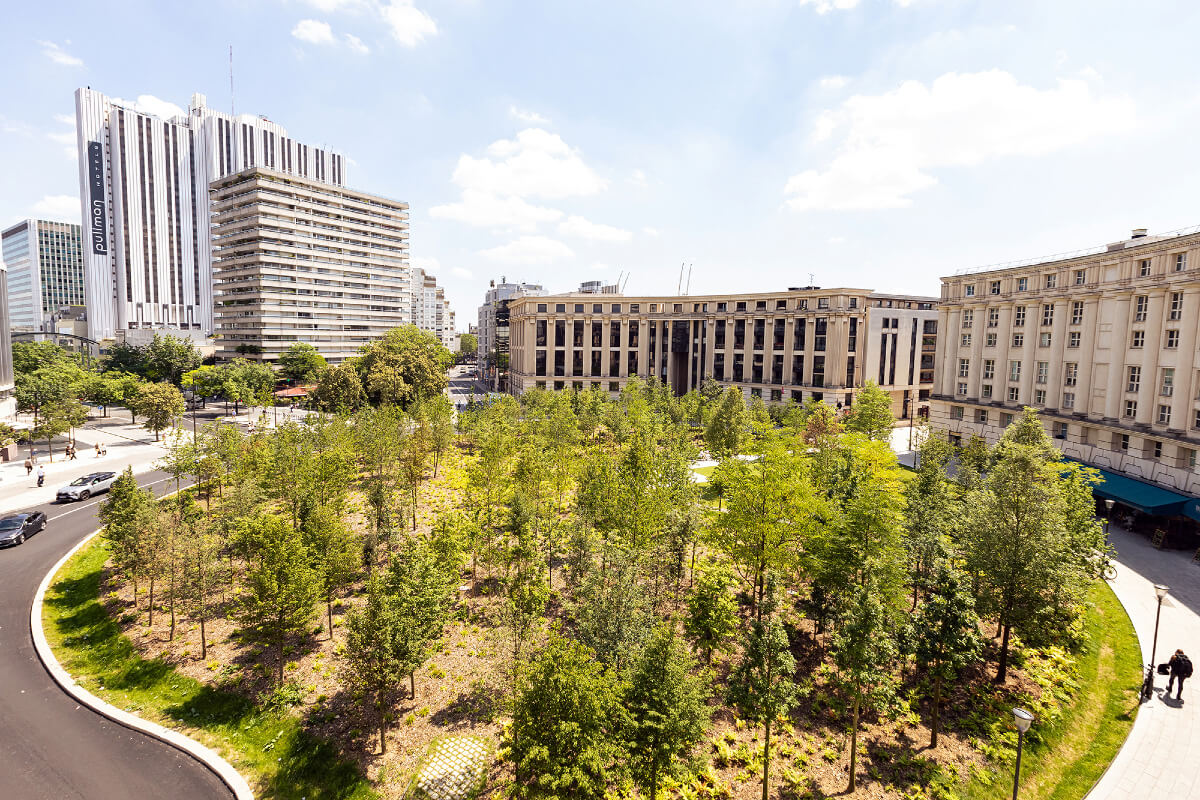
Global connectivity and plants are our way to save and live sustainably on the planet. The new nature restoration law in the Europe puts urban landscapes as a core mandate and greening urban centers for pollinator and nature support, pollution control, temperature control. Plants provide “nature based solutions” to climate change which can be as simple as a rain garden, tree or hedge – all taking up carbon, soaking up water.
Horticulture helps to take the harvesting pressure off wild populations through artificial propagation and production, the amazing ability of plants to be able to reproduce themselves from seeds and cuttings. Nature needs this helping hand and the planet needs healing and a sustainable future. Horticultural brings all the necessary skills to the table.
What advice would you give to someone just starting their career?
It is a really rewarding career. You will have fascinating jobs and a very happy life with plants, whether you go into food production, landscape design, historic property, gardens management, environmental horticulture, conservation horticulture, plant health, sportsturf, academia, teaching, research, conservation or broader landscape aspects. There are a huge variety of careers out there, more than I think most people realise.
What are your hopes for the future of Irish horticulture?
To move with the times, to start looking outside the box, to build climate and environmental nature friendly food production and landscapes. I see scope in native plant production for landscaping, growing nature friendly planting, growing plants for Irish habitat restoration, growing our own locally sourced food, landscaping nature friendly spaces, all good for biodiversity and people. We have great courses whether you want to grow, design, manage, we have a great range of courses and modules across horticulture in Ireland and you can check out our UCD courses and program.
Small Talk is produced in association with ICL, a world-renowned leader in agriculture, food, industrial products, and a top global producer of specialised fertilisers.
Read more: Small Talk
© 2026, Growtrade.ie by Patryk Goron
Related Articles

Small Talk with gardening content creator of Niall Gardens – Niall McCauley →



Fans 0
Followers