


AIPH calls for horticulture to play a greater role in greener cities
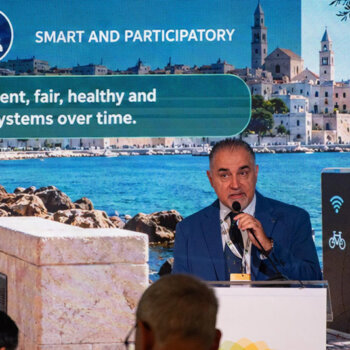
AIPH conference speakers have urged greater collaboration between growers and city planners, highlighting the horticultural industry's role in delivering greener, more climate-resilient cities
 Print
4 November 2026
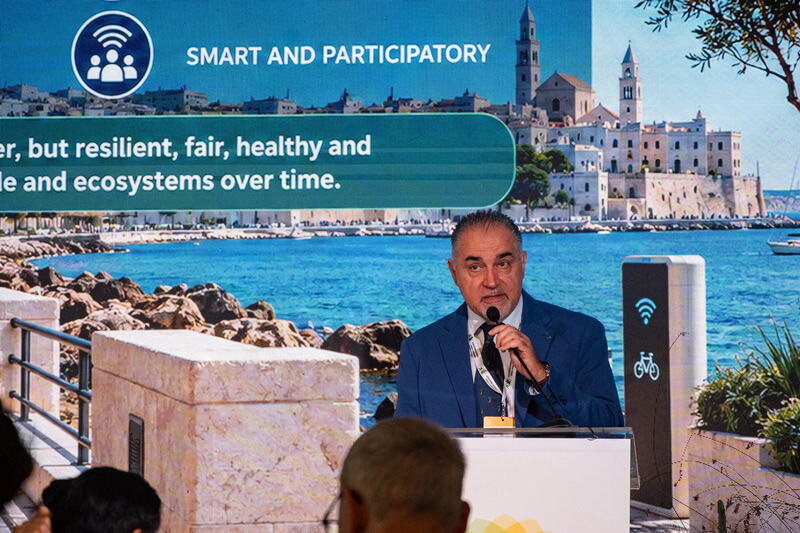
The horticultural industry must become an active partner in urban planning to help cities deliver greener, more climate-resilient environments, experts told delegates at the AIPH Horticultural Industry Conference in Bari, Italy.
Part of the International Association of Horticultural Producers (AIPH)’s 78th Annual Congress, the conference highlighted the important role growers, nurseries and the wider horticultural supply chain can play in shaping the cities of the future.
During the Growing and Greening session, speakers from horticultural research, landscape architecture and local government discussed the need for earlier collaboration between plant producers and city planners, particularly as urban areas set increasingly ambitious targets for green space, biodiversity and climate resilience.
Nurseries at the heart of urban planning
Professor Francesco Ferrini, from the University of Florence, argued that nurseries should be considered the starting point of urban greening projects rather than simply suppliers at the end of the process.
He highlighted the challenge of aligning the long production timescales required to grow suitable trees and plants with the shorter funding and political cycles that often determine urban development.
“From seed collection, production, planning, nursery cultivation and ready for planting, it can take up to 10 years,” he said.
Prof. Ferrini called for cities to work with growers much earlier, allowing nurseries to plan production around future urban requirements and climate conditions.
“Nurseries are not just simple suppliers, as they have been so far, but they are the first climate partners of the new city. The city of the future is born in a nursery,” he added.
He also highlighted the importance of selecting plants for their suitability to local conditions and the functions they can deliver, rather than relying on a limited range of familiar species.
Green spaces as essential infrastructure
Landscape architect and urban planner Andreas Kipar, president of Green City Italia, called for a shift in how cities view green spaces, arguing that nature must become an integral part of urban infrastructure.
“Nature is no longer an addition to the city, it’s becoming part of how the city works. If nature is becoming infrastructure, horticulture is becoming an infrastructure industry,” he said.
Drawing on projects in Italy and internationally, Kipar highlighted the role of connected green and blue infrastructure in managing water, supporting biodiversity, regenerating land and improving urban environments.
He also stressed the growing importance of data and natural capital accounting in demonstrating the value of investment in urban greening.
For horticultural businesses, this presents an opportunity to bring their expertise in plant selection, soil, water management and long-term plant performance into the early stages of urban development.
Kenyan project demonstrates the wider benefits of greening
The social and environmental benefits of urban greening were highlighted by Hon. Salah Maalim Alio of the County Government of Mandera, Kenya.
Mandera’s Greening Programme, which won the ‘Living Green for Climate Change’ category at the AIPH World Green City Awards 2024, was developed in response to environmental degradation and water scarcity.
The initiative combines tree planting and maintenance with investment in water infrastructure, while also creating employment opportunities for vulnerable groups.
Around 250 people, primarily single mothers, widows and young people, were recruited to plant and care for trees. The programme also provides participants with an income and access to health insurance.
Since its launch, approximately 250,000 trees have been planted, with a further 25,000 added annually.
Local communities have also received training to care for the trees, supported by monitoring systems that track tree growth and the maintenance of water infrastructure.
A standard for greener cities
AIPH technical initiatives manager Dr Audrey Timm concluded the session by introducing the AIPH Green City Standard, an evidence-based framework designed to help cities assess their progress and identify opportunities to improve urban environments.
The standard is built around eight city-led processes and 50 outcomes, using quantitative and qualitative evidence to recognise different stages of progress.
Through the AIPH Green City Standard Insight Platform, participating cities can undertake self-assessments, submit evidence, access case studies and identify areas requiring further development.
The conference demonstrated that successful urban greening requires long-term planning, appropriate plant selection, reliable horticultural production and investment in establishment and maintenance.
For the horticultural industry, the message was clear: growers and nurseries need to be involved from the outset if cities are to achieve their environmental ambitions.
AIPH continues to bring the horticultural industry and cities together through its Green City programme, providing resources and practical examples to support the development of greener urban environments.
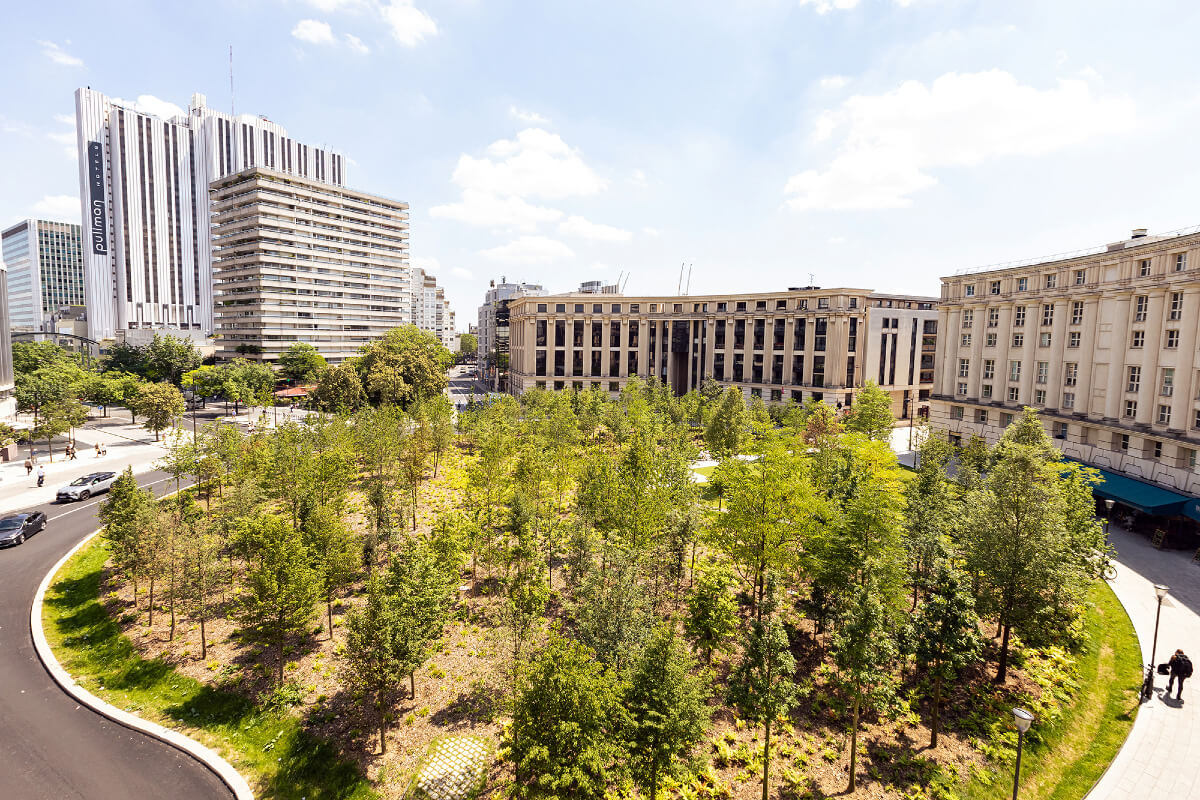
Read more: Paris named grand winner of the AIPH World Green City Awards 2026
© 2026, Growtrade.ie by Patryk Goron
Related Articles
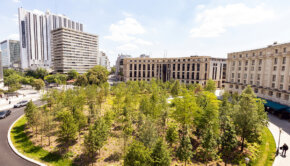
Paris named grand winner of the AIPH World Green City Awards 2026 →







Fans 0
Followers