


GLAS Special: The Arboricultural Association Ireland Branch: veteran trees – living links to the past
Michael Yallop, Ireland branch secretary explains a little more about the veteran trees
 Print
Print15 July 2026
When people think of important trees, they often think of the tallest, oldest, or most impressive specimens. However, some of the most valuable trees in our landscape are known as veteran trees.
These remarkable trees are not only living monuments to the past but also provide habitats and ecological benefits that cannot be replaced within a human lifetime.
A veteran tree is not necessarily the oldest tree in a landscape. Rather, it is a tree that displays characteristics associated with age, stress, or natural decline.
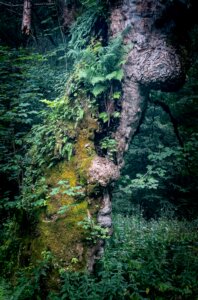
Example of a veteran tree
These features can include hollow trunks, cavities, deadwood, large wounds, fungal fruiting bodies, decaying limbs, or extensive areas of exposed heartwood.
While such characteristics may appear to indicate a tree in poor condition, they are often what make veteran trees so valuable from an ecological perspective.
Veteran trees can be found throughout the UK in a wide variety of locations but sometimes they can be harder to spot in Ireland.
Ancient woodlands are often home to veteran specimens, but they are equally likely to be found in parklands, old estates, churchyards, hedgerows, farmland, and even urban environments.
Some of the most notable veteran trees occur as isolated field trees, where they have been allowed to develop naturally over centuries without competition from surrounding woodland.
Species commonly associated with veteran status include oak (Quercus robur), ash (Fraxinus excelsior), beech (Fagus sylvatica), yew (Taxus baccata), Hawthorn (Crataegus monogyna) and sweet chestnut (Castanea sativa). However, almost any tree species can develop veteran characteristics if given sufficient time and suitable conditions.
The importance of our veteran trees
The importance of veteran trees cannot be overstated. They provide a unique habitat that supports an extraordinary range of wildlife.
Cavities within trunks and branches offer nesting and roosting sites for birds, bats, and small mammals. Decaying wood supports countless species of fungi, beetles, flies, and other invertebrates, many of which are entirely dependent upon the specialised conditions found within ageing trees.
In fact, a single veteran tree can support hundreds if not thousands of different species throughout its lifetime.
Veteran trees are also important cultural and historical features. Many have witnessed centuries of change and are often associated with local history, folklore, boundary markers, or historic estates.
They form part of our shared landscape heritage and provide a direct link to previous generations.
In some cases, the tree itself may be older than the buildings and roads that surround it. They can develop names – the hanging tree in Landanstown in Naas, the dancing tree in Dollanstown in Meath, the fairy tree in rathangan in Kildare.
Despite their importance, veteran trees are increasingly vulnerable. Development pressures, agricultural intensification, inappropriate management, and changes in land use can all threaten their long-term survival.
One of the greatest misconceptions surrounding veteran trees is that the presence of deadwood or decay automatically means a tree is dangerous.
While some veteran trees may require management to address specific risks, many can continue to thrive safely for decades with appropriate care.
Protecting veteran trees begins with recognising their value. Surveys should be undertaken to identify veteran specimens before development or land management works are proposed.
Once identified, adequate space should be provided around the tree to protect both its canopy and root system.
Activities such as excavation, storage of materials, vehicle movements, and changes to ground levels should be avoided within the rooting area wherever possible.
Management should focus on retaining veteran trees for as long as practicable. In some cases, this may involve sympathetic pruning, the installation of support systems, or the creation of exclusion zones to reduce disturbance.
Importantly, deadwood should only be removed where there is a clear and justifiable safety concern, as it forms a critical component of the habitat value of the tree.
Looking forward by understanding the past
Perhaps most importantly, we should think not only about today’s veteran trees but also about those that will become the veteran trees of the future.
Protecting mature trees, allowing selected specimens to age naturally, and planting long-lived native species will help ensure that future generations can enjoy the same ecological, historical, and landscape benefits that veteran trees provide today.
Veteran trees are more than just old trees. They are living ecosystems, historical landmarks, and irreplaceable components of our natural heritage.
Their protection should be regarded not simply as good arboriculture, but as an investment in the future of our landscapes.
Read more: GLAS Special: The Arboricultural Association Ireland Branch
© 2026, Growtrade.ie by Patryk Goron

Fans 0
Followers