


Ireland facing EU court case over alleged lack of peat-cutting enforcement
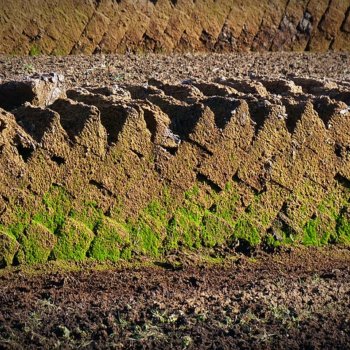
The European Commission said the decision was taken because there was “significant” peat-cutting going on without any planning permission or environmental impact assessment
 Print
Print18 June 2026
The European Commission is taking the Republic of Ireland to court, accusing Irish authorities of failing to properly enforce EU regulations on peat extraction.
Following years of friction between the Government and the Commission on the issue, the EU’s executive body has recently referred Ireland to the European Court of Justice for failure to comply with EU rules on environmental impact assessments.
The sale of peat as a form of fuel was banned in Ireland three years ago due to environmental concerns, but it is still commercially extracted to produce compost.
The European Commission acknowledged “significant action” by Ireland to reduce peat cutting by large operators but claimed it is not enforcing rules at smaller sites of under 50 hectares.
Ireland’s Department of Climate, Energy and the Environment has insisted that commercial peat extraction is “a regulated activity”.
However, the European Commission said it “considers that efforts by the Irish authorities have been insufficient” and it is referring the case to EU’s highest court.
Peat extraction is not illegal under EU law but it is subject to tight regulations because of the potential damage it can cause to the natural environment.
Peatlands are considered an important habitat for wildlife but they can also help mitigate the effects of climate change because they store large amounts of carbon.
Peat when it is cut and dried for fuel is known as turf in Ireland.
Turf-cutting is a deep-rooted tradition and for centuries generations of rural Irish families dug their own turf from local bogs to heat their homes and cook hot meals.
More than a decade ago, the introduction of EU restrictions on turf-cutting at 53 protected bogs led to defiant protests in some rural communities.
In 2022, the Dáil voted to restrict the commercial sale of turf but the rule allowed exemptions for small-scale turf cutting for domestic use.
Read more: Niall Collins appointed as minister of state at DAFM
© 2026, Growtrade.ie by Patryk Goron
Related Articles
Invasive Species Bureau launched in Ireland →



Fans 0
Followers