


Small Talk with head gardener at Ballintubbert Gardens and House – Jenifer Taggart
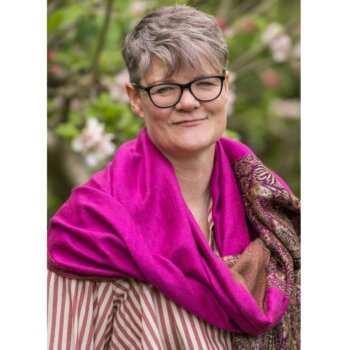
"Ireland has an incredible capacity for growing a diverse range of plants" - Jenifer Taggart talks about her hopes for the future of Irish horticulture
 Print
Print18 June 2026
In association with Gardenworld Nurseries
At Growtrade, we’re running an interview series titled ‘Small Talk’, where we talk to various influential members of Ireland’s horticulture trade.
This week’s conversation is with the head gardener at Ballintubbert Gardens and House since 2015 – Jenifer Taggart.
How did you first get involved in the horticulture sector?
Like many, I found myself at a pivotal moment in my forties, while I loved my career, it no longer worked with my family life. This led me to pursue my passion for gardening. I was fortunate to enroll in a Level 5 NVQ in Organic Gardening, accredited by the Botanic Gardens and offered through my local Education and Training Board. The convenience of attending a nearby centre was crucial, as I had very young children at the time and couldn’t commit to daily travel to Dublin. This course laid a solid foundation in gardening and deepened my passion for organics and environmental stewardship.
What was one of the proudest moments in your career to date?
One of my proudest achievements was securing organic certification from the Irish Organic association for Ballintubbert Gardens and House in August 2022.
Visitors to the gardens often asked how we kept the garden so well, with such healthy plants as we have a small gardening team. In particular our undamaged hostas were very much discussed.
I realised that we had an incredible bird population, as well as lots of frogs and toads as we had a number of water features. They were doing an incredible job of controlling the slug and snail population. Realising that my garden team included all the wildlife meant that my focus shifted to maintaining the balance in the garden.
Achieving organic certification was the natural progression in our journey as custodians of the gardens. Certification provides us with tangible proof that we are what we say we are.
I was pleasantly surprised to learn that we were the only ornamental garden to currently hold organic certification.
What was one of the greatest challenges you’ve faced in your career to date?
One of the most significant challenges I’ve encountered has been the sense of isolation that can come with being a head gardener, especially in an estate setting. Managing a small team often means that I take on a wide array of responsibilities, which can sometimes feel overwhelming. This can create a sense of loneliness, especially when sharing ideas or seeking support feels less accessible.
That’s why I believe it’s crucial to actively engage with professional networks and attend events organized by groups like the Professional Gardeners’ Guild, Head Gardeners’ Symposiums, and our festival of Gardens and Nature.
These gatherings provide a fantastic opportunity to connect with like-minded individuals who understand the unique struggles we face. They serve as a reminder that we are all in this together, facing similar hurdles and celebrating each other’s successes. I’ve found that participating in outings and events not only reignites my passion, but also helps create a strong support network. It’s necessary and fruitful to share experiences with peers, hear about their wins, and find camaraderie in our shared commitment to horticulture.
Could you give us an example of a recent success you had in your work?
I’m thrilled to highlight our two annual festivals! The Festival of Garden and Nature provides an incredible platform for hosting esteemed speakers from the horticultural and environmental fields. Last year, we were fortunate to have Sean Ronayne, an accomplished Irish ornithologist and writer, who led a captivating dawn chorus walk that revealed 26 bird species in our woodland.
Being part of this festival and welcoming so many visitors to our gardens is immensely gratifying; it truly validates all the hard work our team puts in throughout the year.
Additionally, on September 16th, we will host our Climate Carnival, themed “From Silos to Systems.” This event brings together national and international speakers to engage in critical discussions about climate and environmental challenges. It serves as an inspiring opportunity for learning, engagement, and idea-sharing.
Witnessing Ballintubbert grow as a venue dedicated to nature and the environment, while also educating attendees, has been incredibly rewarding. I am excited to see how these events cultivate deeper connections between people and the natural world.
What are the greatest challenges facing the industry today?
One of the biggest challenges I see is the disconnect many people have from nature and the environment. It’s concerning to see so many who lack access to green spaces and are several generations removed from understanding where their food comes from or how plants grow.
Engaging younger generations in horticulture poses its own complexities, particularly if they lack basic knowledge about the field and its benefits. I believe we should actively participate in careers fairs at secondary schools and offer courses for transition year students. Apprenticeship opportunities in horticulture are crucial, and organizations like the ETBs excel at running these programs.
By providing these options, we can inspire teenagers who aren’t inclined toward traditional college paths, helping them build a foundation in horticulture that could enhance their future career prospects.
What are the greatest opportunities facing the industry today?
All of the above, the world is crying out for connection with the soil, nature, plants. Let’s get them all back outside. Mental health and physical health has never been so fragile. I believe we as a sector can play a vital role in readdressing the balance.
As AI grows and conventional careers change and disappear, I believe horticulture offers an opportunity to all those, who desire to work with their hands, and feel a sense of achievement at the end of the day. We really shouldn’t under value, what we, as a sector can offer.
What advice would you give to someone just starting their career?
Invest in good-quality knee pads – your future self will thank you!
What are your hopes for the future of Irish horticulture?
I am genuinely optimistic about the future of Irish horticulture; I believe we are on the cusp of a remarkable transformation in the sector. We have a unique opportunity to play a pivotal role in addressing environmental challenges, adapting to climate change, protecting our biodiversity, and even enhancing mental well-being. It’s truly exciting!
As we continue to educate more people about the importance of nature and gardening, we not only cultivate a deeper appreciation for the environment, but also bolster support for our industry.
Ireland has an incredible capacity for growing a diverse range of plants, and I firmly believe in the importance of championing locally grown produce. By fostering a culture that values and supports our home-grown horticulture, we can create a sustainable future that benefits both our communities and the planet.
Small Talk is produced in association with Gardenworld Nurseries, one of the country’s leading wholesale plant nurseries, specialising in high-quality specimen trees, hedging, shrubs, and perennials.
Read more: Small Talk
© 2026, Growtrade.ie by Patryk Goron
Related Articles
Small Talk with garden designer, interior architect and author – Leonie Cornelius →
Fans 0
Followers