


Irish garden centre retail market shows resilience amid challenging trading conditions
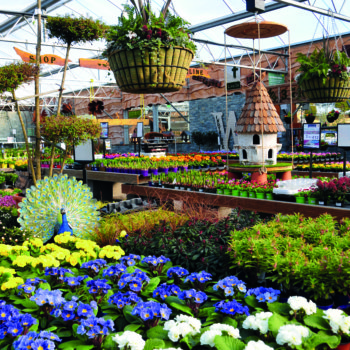
Despite a slow start to the 2026 gardening season, driven by unsettled weather and increasing cost pressures, Ireland's garden centre sector remains cautiously optimistic
 Print
Print1 July 2026
The first half of 2026 has been pretty difficult for the Irish garden center retail business due to extensive periods of unpredictable weather, growing operational expenses, and wary customer sentiment that has affected sales throughout much of Ireland.
While gardening demand remains strong, retailers and farmers agree that bad weather has delayed rather than reduced sales, leaving many businesses hopeful that a sustained period of favorable weather could help them regain lost ground before the season concludes.
Unlike many retail sectors, garden centres are largely reliant on weather patterns, notably in the spring and early summer, when sales of bedding plants, compost, and seasonal products are generally highest.
According to Ciarán Burke, head of horticulture at Johnstown Garden Centre, the contrast between this year and last could hardly be greater.
“Last year was an exceptional year. The weather was warm and settled, and business was brisk. This year, by contrast, has been much more challenging. Conditions have remained cool and we have not had a sustained spell of favourable weather.”
The difficult trading conditions were worsened by external disruption, including the fuel protests that resulted in the closure of the N7.
“The fuel protests also had a significant impact. The N7 was closed in both directions over a weekend, and that had a dramatic, direct and adverse effect on trade,” Burke said.
Reduced customer numbers have been one of the defining characteristics of the season.
“Footfall is down due to weather, protests and general economic unease, all areas are seeing negative effects, but plant sales are feeling pressure due to the seasonal nature of gardening,” Burke said.
Despite the reduction in visitor numbers, retailers are not seeing widespread resistance to pricing.
“Customers who are coming into the store are still spending, and we are not hearing complaints about prices. In fact, most plant prices have remained the same as last year.”
This suggests that while consumers may be delaying visits because of poor weather and economic uncertainty, those who do visit continue to value gardening and outdoor living.
From a production perspective, the market has broadly followed its normal seasonal cycle.
Dónall Flanagan, nursery stock and ornamentals specialised advisor at Teagasc, says nursery production remains relatively strong despite weaker sales in some categories.
“The nursery trade has remained strong on the back of housing development. However, summer bedding sales have been slower than last year, due in part to the weather and the cost-of-living challenges faced by many people.”
He notes that woody plants performed well during winter and early spring before cooler conditions slowed momentum in bedding and perennial plants.
“The season is following the normal pattern of woody plant sales through winter and spring, followed by summer bedding and perennials. Bedding sales have been slow, and there were many cold and wet weekends that resulted in lost sales of early bedding. However, a spell of good weather could quickly turn that around.”
This reinforces the view that the sector’s performance has been shaped more by weather than by any significant decline in consumer interest.
One positive development has been increasing support for Irish-grown nursery stock.
According to Flanagan, growers have reported that retailers are sourcing more locally.
“Growers have reported that some imported plants have been replaced with Irish-grown stock, as transport costs can be more favourable.”
The trend reflects growing recognition of the economic and environmental benefits of shorter supply chains, while also supporting domestic horticultural businesses.
Although stock availability has remained stable, rising production costs continue to place pressure on businesses throughout the supply chain.
“We have had no problems sourcing stock, but staffing costs are increasing because of the rise in the minimum wage,” Burke said.
Flanagan believes labour is now one of the industry’s greatest challenges.
“Labour costs are one of the greatest challenges facing growers. Combined with downward pressure on plant prices, they make recruitment, retention and long-term investment more difficult.”
He also points to the challenges associated with adapting to new growing media and changes to plant protection products.
“Rapid changes to growing media supply and plant protection products have left growers with a lot of challenges to keep on top of.”
The latest Teagasc Horticulture Crop Input Prices 2026 report highlights the scale of these pressures. Average horticultural production costs increased by 3.9% between January 2025 and January 2026, while cumulative input cost inflation has reached 76.2% since 2020.
Labour now represents 43.4% of total production costs, making it the single largest expense for growers. Effective labour costs increased by around 6.2% following changes to minimum wages, employer PRSI and pension contributions. Nursery stock producers recorded one of the highest annual increases in input costs at 7.5%, while fertiliser, growing media, packaging and energy costs continue to affect margins.
Despite the difficult start to the year, industry sentiment remains cautiously optimistic.
Read more: Teagasc report reveals continued rise in horticulture production costs
© 2026, Growtrade.ie by Patryk Goron
Related Articles
SETU launches new programme in horticulture with Kildalton College →




Fans 0
Followers