


New guide helps gardeners to avoid planting invasive species
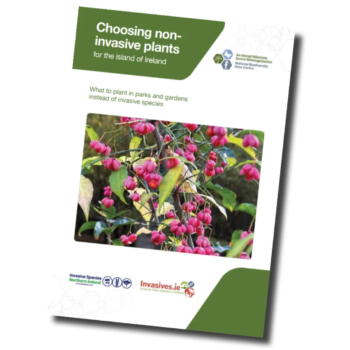
The National Biodiversity Data Centre has published a new guide to help gardeners, growers and landscapers choose non-invasive plants, offering practical alternatives to species that pose a threat to biodiversity across the island of Ireland
 Print
19 November 2026
Non-native plants have long played an important role in Ireland’s horticultural industry, bringing colour, variety and commercial opportunities to gardens, parks and landscapes.
However, a small proportion of introduced species have become invasive, spreading beyond gardens and causing significant damage to natural habitats.
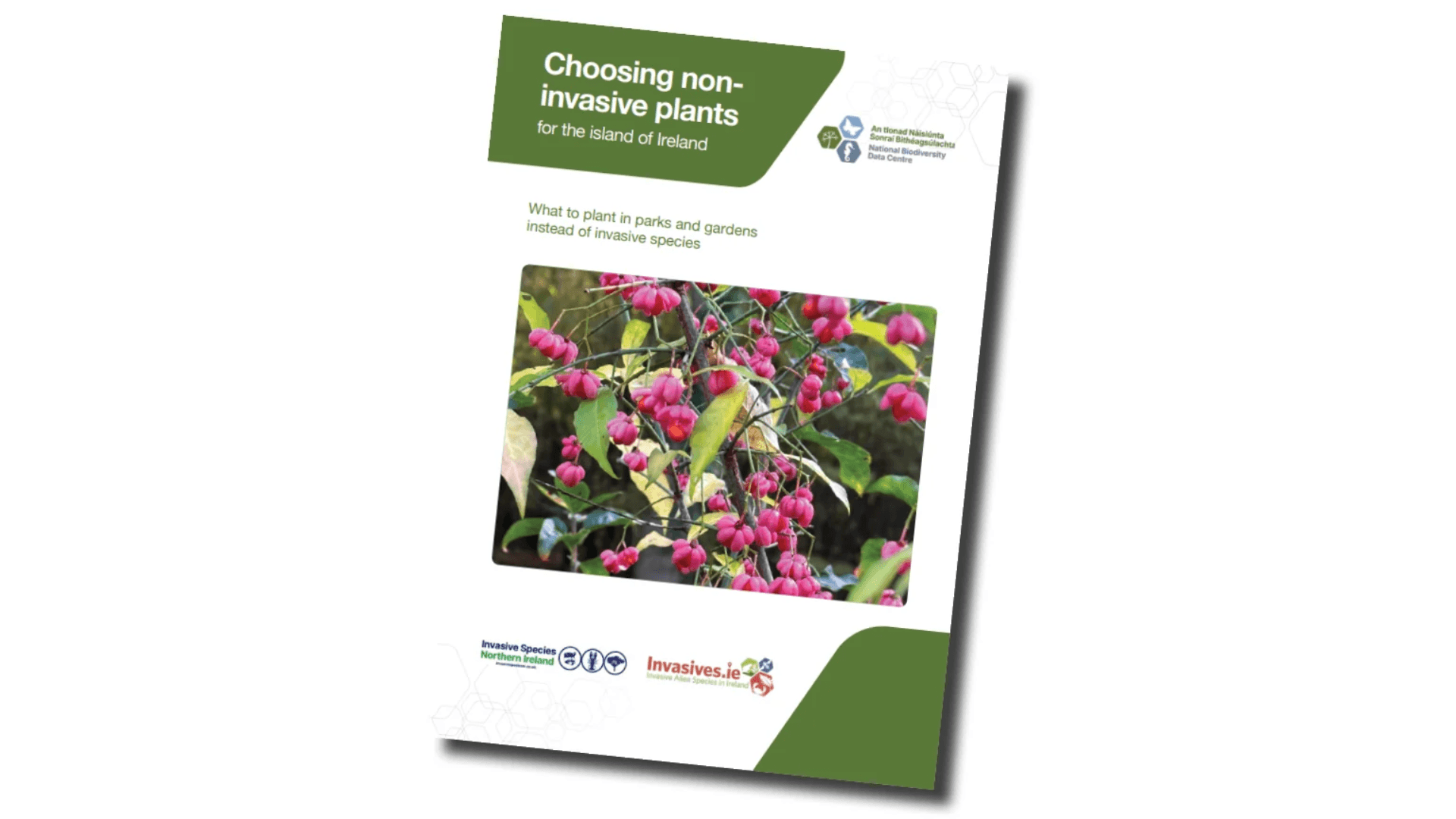
A new publication, “Choosing Non-Invasive Plants for the Island of Ireland”, aims to help address this challenge by providing practical guidance on plant selection and highlighting suitable alternatives to invasive species.
“I am delighted to share this valuable resource for gardeners. Whether you are looking to plant a hedge, bulbs or add plants to ponds. There are plenty of great options to choose from. By choosing non-invasive plants for your garden, you can help protect our precious wildlife and natural habitats,” Kate Moore, invasive species engagement officer at the National Biodiversity Data Centre, said.
Developed by the National Biodiversity Data Centre, with funding from the National Parks and Wildlife Service, Northern Ireland Environment Agency and the Shared Island Initiative, the 68-page guide has been written by Edwina Cole and Noeleen Smyth.
“The plants we selected in the guide have been in cultivation for many years at home and abroad and show no signs of invasiveness. We also highlight species that are regulated invasive alongside those that we have noted as becoming weedy and spreading in Ireland. We suggest these are not used in our gardens and landscapes going forward,” Dr Noeleen Smyth, director of the National Botanic Gardens, said.
She added: “if we had the chance to turn back time and remove Rhododendron ponticum and its hybrids from our landscape before they took over habitats across the island of Ireland we would have been glad of it and we would have saved millions in management efforts. This guide will help inform our garden and landscape planting so that we do not end up in a similar situation with other garden species that we see becoming weedy species in the wild such as Cherry laurel, Wall cotoneaster, Spanish bluebell. We can all prevent these from becoming widespread across the island of Ireland.”
For garden centres, nurseries, growers and landscape professionals, it provides a useful resource to support more informed plant selection and encourage responsible horticultural practices.
Understanding the risks
The guide highlights how garden plants can become a pathway for invasive species to enter the wider environment.
Although thousands of non-native plants have been introduced for ornamental and horticultural purposes, only a small percentage have established themselves in the wild. Those that have can have serious consequences for native flora, wildlife and habitats.
Rhododendron ponticum is one of the most damaging examples. Originally introduced as an ornamental garden plant, it is now widespread across Ireland, where dense growth can outcompete native vegetation, reduce biodiversity and alter woodland habitats.
Other species highlighted include Japanese Knotweed, Giant Rhubarb, Buddleja and Hottentot Fig.
The publication also draws attention to plants that are not currently regulated but demonstrate invasive characteristics or have the potential to become problematic in the future, particularly as climate change creates more favourable conditions for some species to establish and spread.
Practical alternatives across 15 planting categories
Rather than simply identifying plants to avoid, the guide provides an extensive selection of alternatives that currently show no signs of invasiveness across the island of Ireland or elsewhere in Europe.
Its 15 sections cover a broad range of horticultural applications, including trees, shrubs, ponds, climbers, herbaceous plants, ground cover, coastal gardens, bulbs, hedging, ornamental grasses and foliage, green roofs and walls, urban landscapes, containers, tropical foliage and rain gardens.
The recommended alternatives offer plenty of scope for gardeners and landscape designers to maintain attractive and diverse planting schemes.
Among the suggested trees are Strawberry Tree (Arbutus unedo), Silver Birch (Betula pendula), Crab Apple (Malus sylvestris) and Rowan (Sorbus aucuparia).
For shrub planting, the guide recommends species including Heather (Calluna vulgaris), Bell Heather (Erica cinerea), Bilberry (Vaccinium myrtillus) and Guelder-rose (Viburnum opulus).
There are also recommendations for more specialist applications. Marsh-marigold (Caltha palustris), Yellow Iris (Iris pseudacorus) and Water Mint (Mentha aquatica) feature among the suggested pond plants, while Thrift (Armeria maritima) is included as an option for coastal gardens.
Importantly, many of the suggested alternatives also offer wildlife benefits, providing food and shelter for pollinators and birds.
Native plants are identified as the best option for supporting biodiversity, although carefully selected ornamental species can also make a positive contribution.
An opportunity for the horticultural trade
The publication provides an opportunity for the horticultural industry to take a more proactive approach to responsible plant sourcing, retailing and planting.
Garden centres and nurseries are well positioned to help customers make informed decisions, whether they are purchasing plants for a small domestic garden, developing a larger landscape scheme or selecting species for commercial planting projects.
By familiarising staff with invasive species and their recommended alternatives, businesses can offer more informed advice and help customers find suitable plants for different garden conditions and design requirements.
The guide also reinforces the importance of understanding the regulatory position of certain plants. It highlights species regulated under the EU Invasive Alien Species Regulation and additional unwanted species covered by legislation in Northern Ireland.
This makes it a useful reference for professionals working across different parts of the island.
Responsible gardening goes beyond plant selection
The guide also sets out three simple principles for preventing the spread of invasive plants: know what you grow, stop the spread and compost with care.
Gardeners are encouraged to select appropriate plants, keep them within garden boundaries and take care when sharing plants or disposing of unwanted material.
Garden waste, roots, weeds and seeds should be disposed of responsibly, ensuring they cannot escape into the wider environment.
Dumping garden waste in ditches, streams or other natural areas can provide invasive plants with an opportunity to establish themselves.
The publication also encourages the reporting of plants that are spreading rapidly or proving difficult to control, helping researchers identify potential future problems.
Supporting the future of Irish horticulture
Non-native plants will continue to have an important place in Ireland’s gardens, parks and landscapes. The challenge is to ensure that plant choices do not come at the expense of native biodiversity.
By providing clear information on invasive species and a wide range of attractive alternatives, “Choosing Non-Invasive Plants for the Island of Ireland” gives the horticultural industry a practical tool to support more responsible planting decisions.
For growers, retailers, landscapers and gardeners alike, making informed choices today can help protect Ireland’s natural landscapes for generations to come.
The guide, “Choosing Non-Invasive Plants for the Island of Ireland”, is available here.
Read more: Horticulture’s role in Ireland’s biodiversity future
© 2026, Growtrade.ie by Patryk Goron
Related Articles

New funding schemes aim to support innovation and diversification in Irish horticulture →







Fans 0
Followers