


Horticulture’s role in Ireland’s biodiversity future
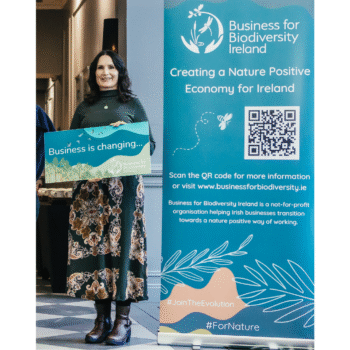
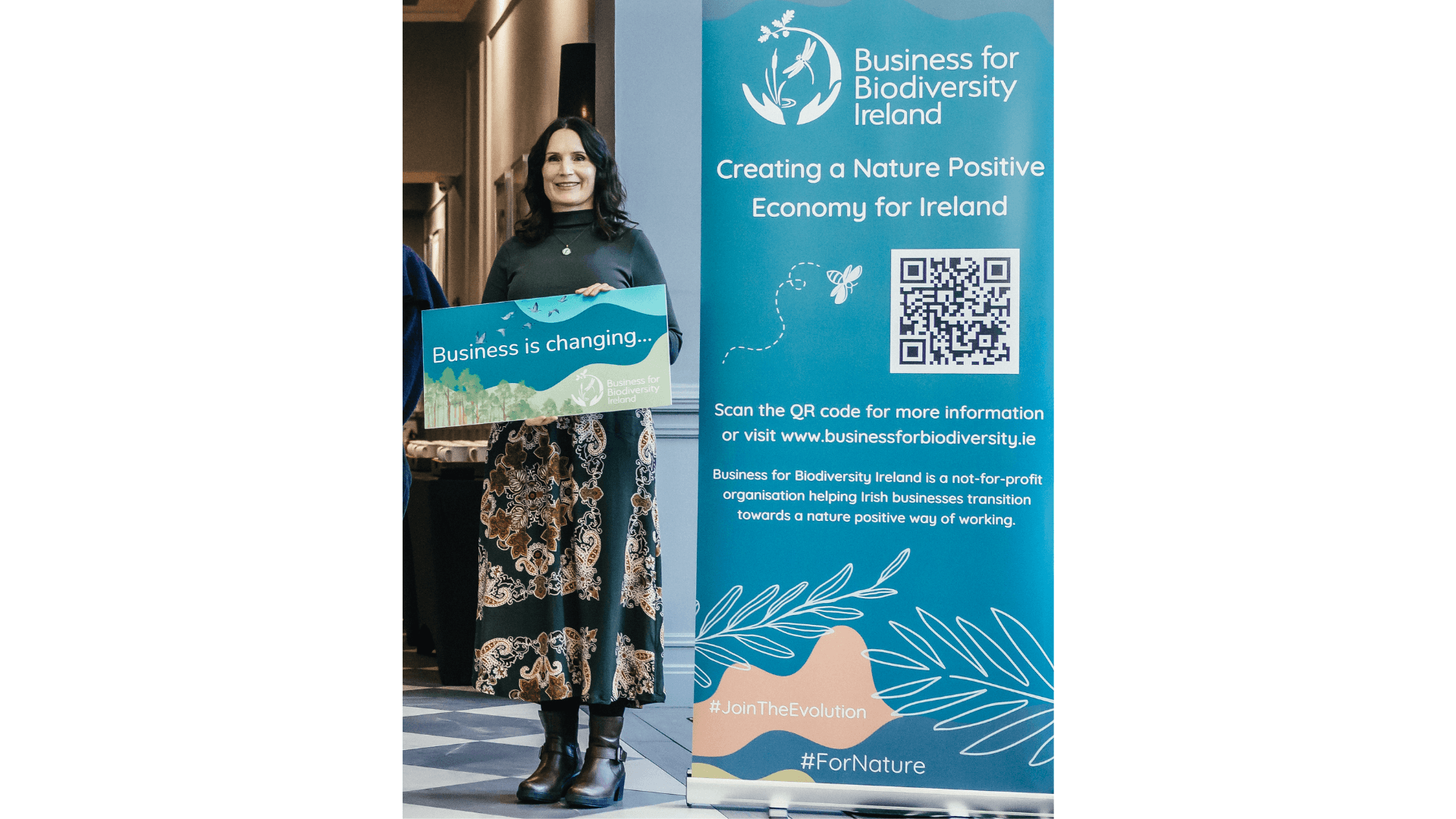
Dr Emer Ní Dhúill, technical and research lead at Business For Biodiversity Ireland, outlines how Ireland’s horticulture sector can respond to the biodiversity crisis while building more resilient and nature-positive businesses
 Print
Print8 October 2026
With biodiversity loss continuing to pose a growing challenge in Ireland, the horticulture sector has an important part to play in protecting and restoring nature. From plant sourcing and peat use to soil management and invasive species, the choices made by horticultural businesses can have a significant impact on biodiversity.
In this exclusive Q&A, Dr Emer Ní Dhúill, technical and research lead at Business For Biodiversity Ireland discusses the role horticulture can play in tackling biodiversity loss, from soil health, peat use and plant provenance to invasive species, pollinators and habitat connectivity. She also looks at how businesses can embed nature into everyday decision-making, prepare for changing environmental regulations, respond to customer expectations and build greater resilience through nature-positive practices, innovation and improved biodiversity knowledge.
1. What role do you see horticulture playing in Ireland’s biodiversity strategy?
The horticulture sector has a hugely important role to play in relation to Ireland’s biodiversity, as it operates at a point where business, the land and nature meet. Growers, landscapers, garden retailers, and others in this sector, collectively influence which plants are produced and sold, how land is managed, how soil and water are treated, and how people interact with nature. This provides and enabling environment for the horticulture sector use its influence to minimise potential negative impacts on nature due to this sectors’ activities, i.e. introductions of non-native invasive species and peat use within the supply chain.
We are in a biodiversity crisis, with biodiversity declining faster than at any other time in human history. A biodiversity emergency was declared by our government in 2019, and yet this loss continues. The latest report (2025) on our EU protected habitats found that 90% of these protected habitats had an unfavourable conservation status – this has increased from 85% in 2019 – which is very worrying. Ireland’s 4th National Biodiversity Action Plan takes a whole-of-government whole-of-society approach to biodiversity, with a focus on the protection and restoration of our ecosystems. Over half of our native plant species are declining in range and/or abundance, with our pollinators under threat also – more than half of our native bee species are in decline and a third threatened with extinction.
Ensuring that pollinator-friendly plants are available, ensuring that native species are of Irish provenance, avoiding peat-use in the supply chain, and advocating for better soil management and avoidance of pesticides are important actions this sector can take. One of the key actions this sector can take is to ensure that non-native species are not introduced to the wild and that regulated non-native invasive species are not imported, sold, or planted.
2. How can businesses make biodiversity part of everyday decision-making?
This sector has a role in contributing to national and global goals to halt and reverse biodiversity loss by ensuring that biodiversity is at the core of decision making. This means that biodiversity is considered in every aspect of the business, from what is grown, imported, traded, transported and planted across the island of Ireland.
The first step is to stop treating biodiversity as a separate special project and start looking at where nature intersects with the business and along the value chain. Understanding the nature-related dependencies, impacts, risks and opportunities due to the businesses activities is key to making informed decisions. What products and material does the business depend on? What impacts does it have on nature? Where do those impacts occur within the supply chain? And where are the opportunities to act to improve outcomes for nature?
For a horticultural business, that could mean looking at everything from soil, water, pesticides, fertiliser and peat use, to procurement, packaging, transport, land management, and the type of plants being used. Business For Biodiversity Ireland supports our members to apply recognised, science-based frameworks to assess these dependencies, impacts, risks and opportunities and then turn that understanding into clear commitments and measurable targets. In practical terms, biodiversity should become embedded as part of every procurement decision, into site design, product development, and operations and investment decisions. This means recognising that negative impacts on nature due to a businesses’ activities can happen upstream and downstream, not just the direct operations.
3. What’s one misconception about biodiversity that the horticulture industry should move beyond?
One misconception is that biodiversity is simply about planting bee-friendly plants or creating a wildflower area. These actions can be valuable, but biodiversity is much broader than that.
The industry should move towards thinking about whole systems: healthy soils, diverse planting, clean water, pollinators, birds, insects, microorganisms and habitat connectivity. It is also important to understand that the growing movement towards a ‘nature positive economy’ means understanding the real impacts and dependencies of the business activities on nature and transforming the way the business operates in order to build resilience into the business model and to contribute towards nature recovery, rather than a series of short-term biodiversity projects that don’t address the impact the business is having on nature. This will help ensure long-term resilience for the business and sector.
4. What emerging trends should the industry be preparing for over the next five years?
We expect biodiversity to become much more integrated into business strategy, investment and reporting. The EU Nature Restoration Regulation is particularly significant: the Nature Restoration Plan for Ireland was submitted earlier in September and include targets around pollinators, agricultural and urban ecosystems.
For horticulture, there is a growing interest in regenerative and nature-positive concepts, with nature-based solutions becoming vital as adaptation to increasing weather extremes and climate shocks. So climate-resilient planting, soil health, native and ecologically appropriate planting, habitat connectivity (a key theme of the new All-Ireland Pollinator Plan 2026-2030), water and biodiversity monitoring and better traceability throughout supply chains. We will also see customers becoming more knowledgeable and asking businesses for more sustainable products, and for evidence of positive environmental outcomes. Businesses, including major chain retailers, are already responding to these trends in their practices for example, offering peat-free alternatives for growers.
5. Why does biodiversity matter to horticulture businesses?
The horticulture industry was reported to be worth €529 million to the Irish economy in the National Strategy for Horticulture (2023-2027). Horticulture completely depends on nature. Healthy soils, clean water, pollination, pest regulation, and functioning ecosystems all underpin productive and resilient horticultural systems, all systems, in fact. Understanding dependencies and impacts allows a business to better manage supply-chain risks and climate-related disruptions and prepare to respond to changing customer expectations, regulation and opportunities for innovation. There is a strong commercial opportunity here too as customers become increasingly aware of sustainability issues and demand more sustainable products and practices.
6. How can garden centres, landscapers, and growers prepare for future environmental regulations?
It’s best not to wait for ever-evolving regulations to directly affect your business operations but to get the upper hand by understanding your organisation’s relationship with nature. Map your key impacts and dependencies along your value chain (upstream, direct operations and downstream), identify the areas where you are most exposed, assess and set a baseline for biodiversity within your own particular business so you can measure any progress or decline – and begin setting measurable targets.
For garden centres, that could include examining sourcing, peat and plant provenance, packaging, water and energy use, and how biodiversity is incorporated into the products. Also looking at the advice being offered to your customers on more sustainable products and practices.
Planners and landscapers can consider habitat connectivity, soil health, pesticide and fertiliser use, tree and planting choices (right species, right place), mowing regimes and long-term site management.
Growers can look at soil and water, energy, crop diversity and overall supply-chain resilience.
Amendments to the Corporate Sustainability Reporting Directive means many smaller businesses are no longer in its scope and do not currently have to report on nature-related topics. This may change in future, but in the meantime, every business is encouraged to prepare reports on a voluntary basis – they might well be part of the supply chain for larger organisations that request their suppliers to provide this ESG information. In addition, sustainability information may also be requested by banks, investors, clients and other stakeholders. The EU Empowering Consumers for the Green Transition Directive (ECGT) makes sustainability communications a legal responsibility for businesses in order to protect consumers from greenwashing and unreliable sustainability claims. Horticulture businesses should be aware of this directive if they have business-to-consumer marketing, advertising or makes sustainability claims on products or services they sell.
A forward-thinking approach will put the business in a much stronger position as environmental requirements and reporting expectations develop, as well as contributing positively to an overall more resilient environment and economy. BFBI’s Nature Strategy Accelerator Programme is designed around this journey to assess, commit, transform and disclose, as Irish partner of the global Business For Nature initiative. The first step, the Discovery Track, is open to all on our site and will give you a free foundational knowledge of how biodiversity interacts with business.
7. What skills will the next generation of horticulturists need?
Traditional horticultural expertise will remain absolutely essential, but it should be combined with ecological literacy as much as possible. The future of sustainable horticulture is not just about horticulture; it involves ecology, climate science, business, technology, planning and community engagement. So there will also be a growing need for skills in biodiversity monitoring, data collection, environmental regulation, sustainable procurement and communicating the value of nature to customers. Collaboration will be key, and horticulturalists need to engage across disciplines.
8. Are there any exciting innovations, research developments, or projects in Ireland that give you optimism about the future of biodiversity?
The new All-Ireland Pollinator Plan 2026–2030 is particularly relevant to horticulture because it is about connecting habitats and making practical changes across the landscape. The plan’s emphasis on networks is important: isolated pockets of good habitat are much more valuable when they form part of a wider network and functioning landscape.
We are also seeing encouraging examples from our businesses. SAP Landscapes has been working through BFBI’s Nature Strategy Accelerator Programme and it embeds nature into its business strategy and landscape management work. Its experience illustrates how customer demand is changing, with organisations increasingly asking how their grounds can actively support biodiversity rather than simply look neat and tidy.
There is also growing interest in practical biodiversity monitoring. Simple approaches, such as Flower-Insect Timed Counts allow businesses to start generating useful evidence about pollinators on their sites. BFBI have also helped the Department of Housing, Local Government and Heritage develop a guidance document on the biodiversity duty for public bodies, which was rolled out in 2025 and is available to read here.
Cherry laurel (Prunus laurocerasus) which is a popular hedging plant, has undergone a risk assessment for invasiveness (currently out for public comment here). This species causes havoc in our woodlands, on a par with Rhododendron ponticum. The outcome of that consultation will determine whether this species is included on the regulated invasive species plant list, thus banning it from sale, transport or planting in Ireland.
Ensuring invasive species, like Cherry Laurel, are kept out of the natural environment will benefit biodiversity and protect natural habitats and native species that occur there. Cherry Laurel hedges are not great for biodiversity – even when managed on private land. Native hedges are much better for biodiversity (the All-Ireland has useful resources on native hedgerows).
9. Is there anything else you would like to share with Growtrade.ie readers?
I would encourage everyone to see biodiversity as an opportunity rather than another obligation. The horticulture sector has the unique capacity to influence how people experience nature every day, from a garden centre purchase to the design of a public landscape or the management of a commercial site.
The important thing is to start where you are, understand your most significant impacts and dependencies, and then keep improving. Nobody is expecting perfection from day 1. We don’t need every business to do exactly the same thing. But we do need businesses to begin to understand their relationship with nature and start to take credible, measurable action now.
If horticulture combines its expertise in growing and managing plants with a deeper understanding of how our ecosystems connect and underpin a healthy and prosperous society, it will be one of the key sectors helping to make Ireland’s transition towards a nature-positive economy visible and beneficial to all.
Read more: The future is growing – AI’s expanding role in horticulture
© 2026, Growtrade.ie by Patryk Goron
Related Articles

Minister Niall Collins launches Glennon Brothers National Tree Day 2026 →

Fans 0
Followers