


UCD and Teagasc launch third FAST-IP programme to develop next generation of agri-tech start-ups
Three projects from the inaugural programme have secured €1.9 million in Enterprise Ireland commercialisation funding
 Print
Print23 September 2026
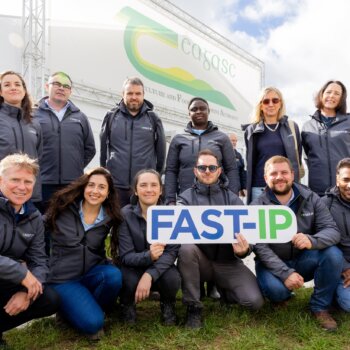
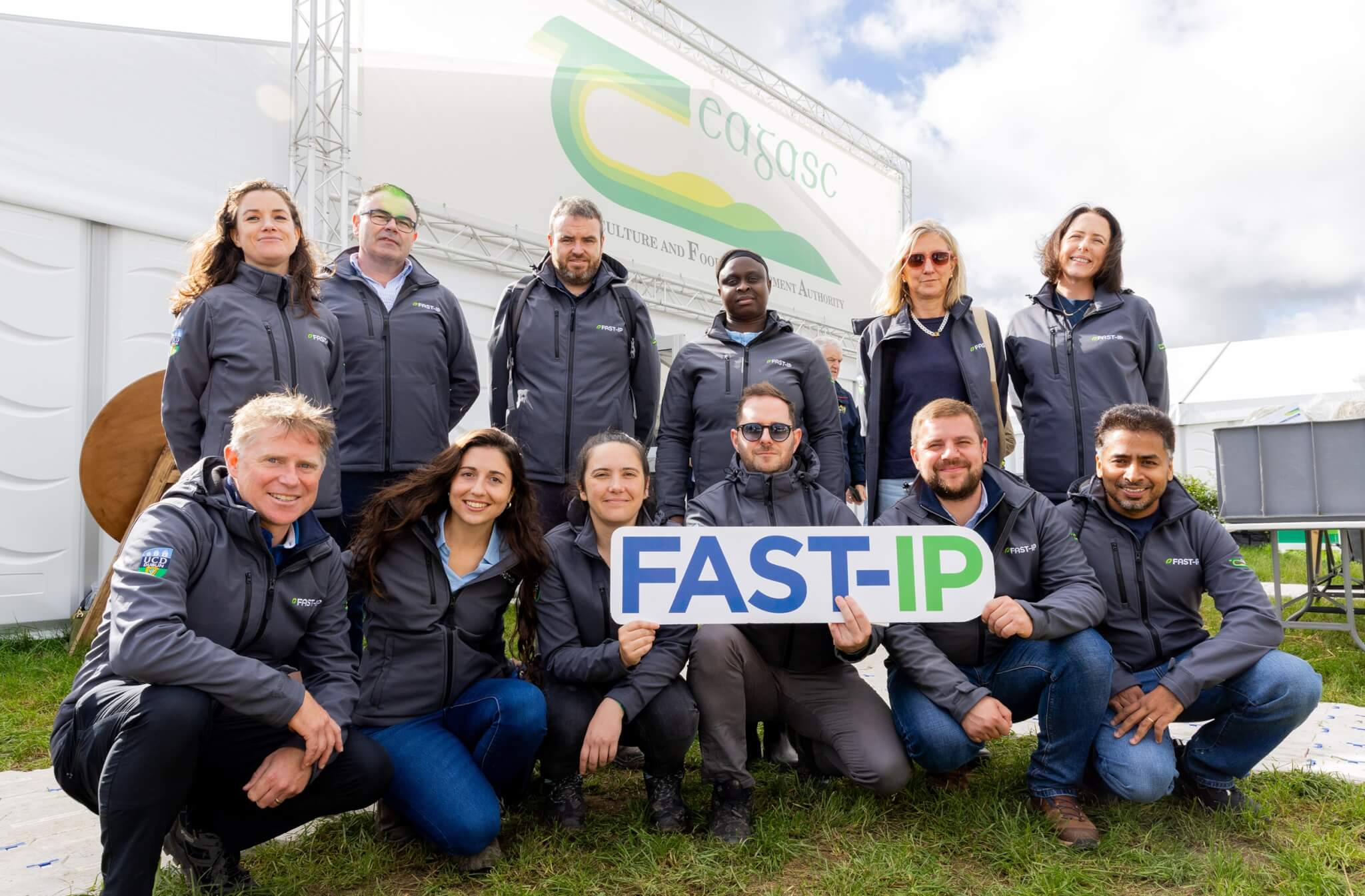
University College Dublin (UCD) and Teagasc have launched the third FAST-IP programme, bringing together 12 participants to develop innovative solutions to challenges facing Ireland’s food, farming and horticultural sectors.
The Food and Agriculture Sustainable Technology Innovation Programme (FAST-IP) is a 12-month, in-person programme designed for mid-career professionals with an interest in developing and commercialising new technologies, products and services for the agri-food sector.
For horticulture, where growers are facing increasing pressure from pests, changing environmental conditions, sustainability requirements and the need to improve productivity, the programme provides a route for developing technology-led solutions to some of the sector’s emerging challenges.
FAST-IP is delivered by the UCD School of Biosystems and Food Engineering and NovaUCD in partnership with Teagasc at the AgTechUCD Innovation Centre and UCD Lyons Farm in Co. Kildare. The programme operates under the Innovators’ Initiative Programme, managed by Enterprise Ireland.
€1.9m funding for three FAST-IP projects
The latest cohort follows two previous FAST-IP programmes, with 21 participants having completed the programme to date.
Three projects from the inaugural programme – Agriwave, BiCO and Mehal – have now secured a combined €1.9 million in commercialisation funding from Enterprise Ireland.
The funding will support the three teams over the next two years as they work to translate their projects into commercially viable start-ups.
Of particular relevance to the horticultural sector is Mehal, which is developing a smart pest-intelligence platform to help address the growing threat posed by destructive pests.
The development comes at a time when effective pest monitoring and management are increasingly important for horticultural growers, with crop protection decisions having implications for yield, quality, production costs and sustainability.
Smart technologies that can improve the identification and monitoring of pest threats could potentially provide growers with better information for making timely crop protection decisions.
Developing solutions around real grower needs
A key feature of FAST-IP is its needs-led approach to innovation. Rather than starting with a technology and looking for an application, participants work to identify unmet needs and problems within agricultural and food production environments before developing and validating potential solutions.
Participants will spend 8–10 weeks immersed in agricultural environments, including farms, food processing businesses and Teagasc locations.
This practical approach is intended to expose participants to the day-to-day challenges faced by producers and businesses and help ensure that technologies developed through the programme have a clear commercial application.
Professor Nick Holden, UCD School of Biosystems and Food Engineering and academic director of FAST-IP, said the programme had attracted almost 300 expressions of interest for this year’s intake.
He said the 12 successful participants would spend the next year working together to identify real-world needs in the food and agricultural sectors and develop commercially viable solutions.
Supporting innovation in horticulture
The programme’s focus on practical, needs-led innovation has potential relevance across the horticultural supply chain, from crop production and pest management to resource efficiency, sustainability and food production.
Dr Siobhán Jordan, head of technology transfer and commercialisation at Teagasc, said the programme was helping to develop a pipeline of innovators capable of translating ideas into practical solutions for the agri-food sector.
“Attracting the 12 high-calibre FAST-IP participants with the ambition and ability to translate ideas into impact is critical to Ireland’s agri-food innovation ecosystem,” Jordan said.
She added: “Through FAST-IP, Teagasc and UCD are developing a pipeline of innovators with the potential to create new solutions, businesses, and opportunities that can make a real difference to the future of Ireland’s agri-food sector.”
The programme is aligned with Ireland’s Food Vision 2030 strategy, with a focus on sustainable food systems, climate-smart agriculture, environmental and economic sustainability, and innovation.
From programme participant to agri-tech entrepreneur
The previous FAST-IP cohorts are already producing projects aimed at addressing specific production challenges.
Sasha Dunne, who recently completed the second FAST-IP programme, is now progressing Alma Grana, an innovative solution aimed at tackling the challenge and impact of grassweeds in wheat production.
Reflecting on her experience, Dunne said: “The last 12 months has been an incredible journey and I am excited for the next chapter with my Alma Grana team as we progress our innovative solution to address the major challenge and impact of grassweeds in wheat production.”
Enterprise Ireland said the programme demonstrates the potential to develop globally ambitious companies from Ireland’s research and knowledge base.
Emma Callinan, director of spin-outs and research commercialisation at Enterprise Ireland, said FAST-IP brings participants closer to customers and industry challenges while equipping them to translate research and innovation into commercial ventures.
Applications for 2027 programme
UCD and Teagasc will draw on their research expertise, industry networks and experience in supporting and spinning out start-up companies throughout the programme.
FAST-IP is accredited by UCD at Level 9 on the National Qualifications Framework, with successful participants awarded a Graduate Diploma in Agrifood Innovation and Entrepreneurship.
Applications for the fourth FAST-IP programme (2027/28) are expected to open in early 2027.
FAST-IP is supported under the Innovators’ Initiative Programme, co-funded by the Government of Ireland and the European Union through the Southern, Eastern and Midland Regional Programme 2021–2027.
Read more: Teagasc to showcase horticulturist apprenticeship at WorldSkills Ireland 2026
© 2026, Growtrade.ie by Patryk Goron
Related Articles

Teagasc to showcase horticulturist apprenticeship at WorldSkills Ireland 2026 →


Fans 0
Followers